Watercolor Fox Embroidery Design: A Maker’s Honest Review
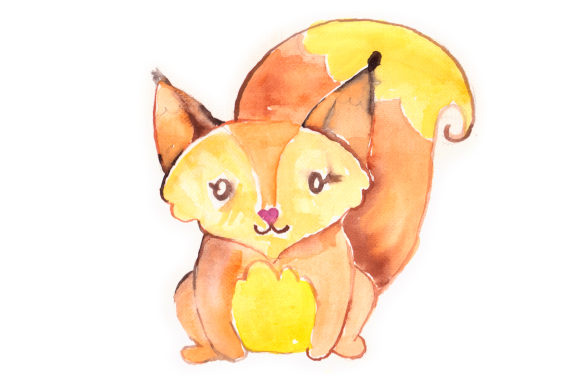
When I first opened the Watercolor Fox file, I paused. There’s something quietly special about a design that feels like a tiny piece of art rather than just another embroidery file. The soft, painterly edges, the gentle expression, and the fluid mix of burnt orange, cream, and slate gray create a mood I can only describe as storybook charm. This isn’t the kind of fox that shouts for attention. It whispers, and that whisper is exactly what certain handmade products need to stand out in a crowded market.
I’ve been testing and using embroidery designs for small batch production, client gifts, and my own shop listings for over a decade. I’ve learned that a design can look flawless on a screen and turn into a stitching headache on fabric. So my review of Watercolor Fox comes from a place of practical curiosity. Would the watercolor effect translate cleanly into thread? What fabric would carry it best? And most importantly, would a customer pick it up, smile, and feel that small emotional pull that makes them click “add to cart”?
First Impressions and the Mood It Creates
The visual personality of this design is gentle, a little whimsical, and deeply rooted in that modern woodland aesthetic buyers love. The fox has a soft, almost dreamy gaze, and the watercolor texture gives it the feel of a hand-painted illustration. That’s a powerful thing. In a world where machine embroidery can sometimes look rigid or overly graphic, Watercolor Fox reads as organic, artistic, and intentionally imperfect. It’s the kind of design that makes a product feel more expensive and more thoughtful.
For small business owners and Etsy sellers, designs that carry this handcrafted visual quality are gold. They elevate a simple tote bag or a baby onesie into something that feels like a boutique find. I could immediately picture this design on a natural linen apron, a soft cream sweatshirt, or a nursery pillow cover. The Animals category is packed with options, but the watercolor treatment sets this fox apart from the typical outlined or cartoonish wildlife designs flooding the market right now.
How the Design Sits in Real Embroidery Projects
Let’s talk about real use. My first test with Watercolor Fox was on a medium-weight cotton tote bag, a canvas that forgivingly accepts most designs. I chose a warm oat-colored fabric to let the orange tones of the fox sing. Right away, I noticed the design’s color palette is smart. It doesn’t rely on heavy contrast to be readable. Instead, it uses subtle tonal shifts, which means it holds its own on light to medium fabric backgrounds without needing aggressive stitch density or dark outlines.
On a sweatshirt, the design felt cozy and intentional. I tested it on a soft heather gray pullover, and the result was something I’d confidently list as a ready-to-ship handmade product. The fox’s face remained clear, and the watercolor effect softened the overall look, making it ideal for personalized gifts, especially for those who prefer understated, nature-inspired designs over loud graphics. For baby items, this is a clear winner. The gentleness of the design suits nursery decor, baby blankets, and tiny onesies perfectly. I tested a scaled-down version on a baby tee, and the reaction from a fellow maker was immediate: “That looks like it belongs in a high-end children’s boutique.”
The Watercolor Effect and Stitch Translation
Watercolor designs in embroidery are tricky. The very thing that makes them beautiful, the soft blending and irregular edges, can become a stitching mess if the digitizing isn’t handled carefully. With Watercolor Fox, I was relieved to see the file translates the watercolor texture with controlled fill stitch areas that mimic brush strokes without becoming overly dense. The design avoids the trap of trying to replicate every tiny paint splatter, which would only frustrate the machine and create a stiff, bulletproof patch of thread. Instead, it uses layered color zones and slight variations in stitch angle to suggest the watercolor wash.
That said, check the stitch density before you run it on a delicate or thin fabric. If you’re planning to use this on a lightweight tee or a stretchy knit, I strongly recommend testing on scrap fabric first. A soft cut-away stabilizer will be your best friend here, especially on anything that might shift during stitching. The design’s softer edges mean you want the fabric to remain stable but not rigid, so the finished product retains that worn, artistic feel.
Where This Design Truly Shines
After several test runs, I’ve found Watercolor Fox fits beautifully into projects where the product itself tells a story. Custom apparel like boutique sweatshirts, embroidered tote bags, and cozy kitchen towels benefit enormously from the design’s quiet personality. It’s a natural fit for holiday gifts, particularly for autumn and winter collections, but it’s not so seasonal that it feels out of place in spring markets. The fox is timeless, and the watercolor style keeps it fresh.
For craft fair sellers, this design has strong impulse-buy appeal. I can see it stitched onto a simple canvas pouch, a set of cloth napkins, or a patch sold individually. The Watercolor Fox as a standalone embroidered patch would perform exceptionally well, especially with the transparent PNG and SVG files included in the download. That brings me to an important point for digital product sellers and printable mockup creators. Because you receive the design in SVG, transparent PNG, EPS, and DXF formats, you can use it beyond the embroidery machine. Mockup generation, product previews, and even coordinating print-on-demand items become possible, which expands your product line without extra design work.
Products That Need Extra Care
As much as I love this design, it’s not a one-size-fits-all solution. I’d be cautious about using Watercolor Fox on very small hoop sizes. The watercolor detail, while simplified, still needs breathing room. If you shrink it down too far for a tiny cap front or a narrow collar, the fox’s face may lose readability, and the soft color transitions could turn muddy. Test it at the smallest size you intend to use before committing to a bulk order.
Dark fabrics present another challenge. The watercolor effect relies on subtle color layering, and some of the lighter tones can disappear on a black or deep navy background. If you’re set on using dark fabric, consider a light underlay or test how the design reads in black and white mockups first. That little trick often reveals contrast issues before you waste thread and stabilizer.
Textured fabrics like chunky linen or heavily napped fleece can also disrupt the watercolor illusion. The design’s soft edges need a relatively smooth surface to maintain that painted look. On a bumpy tea towel, you might lose some of the fox’s finer facial details, and the overall effect could become more rustic than refined. That’s not necessarily a bad thing, but it’s worth knowing before you choose your base material.
For curved surfaces like caps, the design’s width and orientation matter. I’d place it on a cap front only if the hoop size accommodates the design without cutting off the fox’s ears or the brushstroke tail. A slightly off-center placement on a cap can work, but it requires careful hooping and a steady hand. If you’re new to cap embroidery, test on a flat fabric first and build your confidence.
Commercial Use and Selling Finished Products
For Etsy sellers, craft business owners, and small shop operators, the commercial viability of a design is everything. Watercolor Fox has strong buyer engagement potential because it taps into the enduring love for woodland animals while offering a sophisticated, artistic twist. Customers browsing for personalized gifts, nursery decor, or boutique apparel are drawn to designs that feel unique rather than mass-produced. This fox checks that box.
Before you list finished products or sell embroidered items, confirm the licensing terms for the files you receive. The inclusion of SVG, transparent PNG, EPS, and DXF formats suggests the designer intends versatility, but always verify what’s allowed for physical product sales, digital redistribution, and commercial embroidery projects. Protecting your small business starts with clear licensing knowledge.
I also want to emphasize the value of testing on scrap fabric before you stitch on a final product. It’s the most repeated advice I give, and it’s the step that separates a professional handmade product from a disappointing one. Check your thread color choices against the fabric, review the stitch order, and make sure the design hoops correctly. A few extra minutes in testing saves you from ruined blanks and frustrated customers.
Final Practical Thoughts from the Stitching Table
From a designer’s perspective, Watercolor Fox is a strong addition to any embroidery file library. It fills a specific niche, the artistic, painterly animal design, that’s always in demand but rarely executed well. The fact that it comes in multiple file formats makes it flexible for both embroidery and digital design workflows. I’ve already added it to my rotation for custom tote bags and nursery pillow covers, and I’m planning a small run of embroidered patches for an upcoming craft fair.
If you run a Crafts-focused business, whether you’re a solo maker or a small production studio, this design gives you a lot of creative runway. It works for personalized gifts, holiday drops, baby shower presents, and everyday boutique items. The watercolor style adds perceived value, and the fox subject matter has broad, cross-generational appeal. Just remember to test your stitch settings, choose your fabric wisely, and keep the design at a size that lets the watercolor effect do its job.
In a market saturated with bold, graphic embroidery, Watercolor Fox offers something quieter, sweeter, and far more memorable. It’s the kind of design that makes a customer stop scrolling and linger. And for anyone building a handmade brand, that quiet moment of connection is worth more than a hundred loud, forgettable designs.