Moose in Watercolor: A Stitch-Ready Design Review
Opening a new embroidery design file always carries a mix of excitement and caution. Moose in Watercolor arrived in a clean bundle of SVG, transparent PNG, EPS, and DXF formats, which immediately told me this was built for creators who move between digital planning and physical stitching. The first thing I noticed was the mood. It is not a loud, cartoonish animal graphic. It carries a soft, painterly quality that feels closer to fine art than to basic craft clipart. That kind of visual personality matters a lot when you are trying to build a product line that customers trust and remember.
First Look: The Mood of a Watercolor Animal
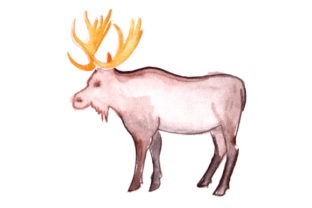
The shape reads clearly as a moose, but the watercolor effect softens the edges in a way that feels intentional. Loose washes, gentle color bleeding, and a slightly organic silhouette give it a handmade vibe even before you stitch a single thread. For a designer evaluating embroidery files, the question is always whether that softness translates into something sewable. Many highly detailed digital art files fall apart when converted to machine embroidery because they rely on gradients and transparency that thread cannot replicate. With Moose in Watercolor, the composition appears designed with that limitation in mind. The main shapes hold their own, and the brushstroke texture looks like it could be interpreted through stitch direction changes rather than hopelessly dense color blending.
I could immediately picture this on a natural linen pillow cover, a light gray sweatshirt, or a sturdy canvas tote bag. The animal theme sits comfortably in the Animals category, but the watercolor treatment pushes it toward boutique crafts rather than mass-market decor. For an Etsy seller or craft fair vendor, that distinction is worth paying attention to. Customers buying handmade goods often look for designs that feel unique and slightly artistic. This moose hits that note.
Where This Design Feels Most at Home
Not every embroidery design belongs on every product. Part of a professional reviewer’s job is matching a design to its strongest real-world applications. Moose in Watercolor naturally leans toward soft goods, gift items, and nature-inspired apparel. I would feel confident placing it on a unisex crewneck sweatshirt for a winter market collection, a set of tea towels for a cabin-themed kitchen bundle, or a baby blanket for a woodland nursery gift. The watercolor style carries a calm, gentle energy that works beautifully for personalized baby items, holiday gifts, and home decor.
For commercial embroidery projects, the design has broad appeal without being generic. A moose is recognizable, regional, and emotionally warm. It fits lodge aesthetics, outdoor lifestyle brands, Canadian and Alaskan souvenir shops, and rustic wedding favors. Because the file bundle includes transparent PNG and SVG, you can also use it for printable mockups, product previews, and digital design assets before committing to a full embroidery run. That versatility is a significant advantage for small shop owners who need to test visual concepts quickly.
Real Project Scenario: The Custom Tote Bag Test
Let me walk through a realistic scenario. I recently planned a custom embroidered tote bag for a client who wanted something organic and understated for a holiday gift. The canvas was a medium-weight natural cotton with a slight texture. I loaded Moose in Watercolor into my embroidery software and started checking the basics. The design needed to fit a standard hoop size without forcing me to shrink it so much that fine details would disappear. I always test a design on scrap fabric first, and this one rewarded that patience. The watercolor effect translated into a pleasing mix of fill stitch and what I would recommend as carefully mapped satin stitch sections, with some areas potentially using running stitch accents to mimic brushstrokes.
On textured fabric, I paid close attention to stitch density. Loose watercolor edges can become blurry or lost if the stitches are too light, but overly dense fills on a soft canvas can pucker and ruin the handmade feel. The sweet spot for this design seems to be a medium density with a quality cutaway stabilizer. I also tested thread color contrast. The natural moose tones against a cream tote bag worked beautifully, but I would caution against using this design on very dark fabric without adjusting colors first. The watercolor transparency effect relies on lighter washes, and a black or navy background might swallow the delicate shading entirely.
How Stitching Affects the Watercolor Personality
A watercolor design in embroidery lives or dies by stitch planning. The painterly look is what makes Moose in Watercolor special, but it is also the part that requires the most technical attention. I recommend reviewing the design in your embroidery software before stitching and checking how the color transitions are mapped. Areas that look like soft blends in the PNG preview may need to be broken into distinct thread color sections. The moose silhouette itself should stitch cleanly, but the interior washes might need you to be selective about thread choices. Too many color changes can slow production and add bulk. Too few can flatten the watercolor effect. I would aim for a thoughtful balance, perhaps using four to six thread colors that capture the soft browns, grays, and muted greens often found in watercolor wildlife art.
For a craft business focused on speed and repeatability, this design is not a one-minute quick stitch. It has personality and wants a little care. The resulting handmade product, though, will look far more premium than a flat silhouette design. Customers notice that difference. When someone picks up an embroidered patch or a personalized gift and sees stitch variation that mimics brushwork, they perceive higher value. That is exactly the kind of reaction that builds repeat buyers and strong Etsy reviews.
Small Details, Big Impact on Product Quality
One thing I always check is whether small design elements will hold up at smaller sizes. The moose in this design has recognizable antlers, ears, and a distinct head shape. If you shrink the design too much for a cap or a baby onesie, those fine points could become muddled. I would feel comfortable using it at roughly four inches wide or larger for most embroidery projects. For tiny patches or narrow hat fronts, test the scaled-down version on scrap fabric and inspect whether the antler tips still read clearly. If they start to blur, it is better to use this design on larger canvas areas like the back of a jacket, a tote bag panel, or a pillow cover.
Fabric choice also matters. Thin or stretchy fabrics, like lightweight t-shirts or performance wear, can distort a watercolor-style design during stitching. The gentle edges of this moose need a stable surface. I would pair it with a medium-weight woven fabric, a quality sweatshirt blank, or a sturdy linen blend. For baby items, a soft cotton interlock with a good no-show mesh stabilizer can work, but always run a full test first. The design's softness is its strength, and a wavy or puckered background ruins that effect instantly.
Commercial Use and Licensing Considerations
The provided file bundle includes SVG, transparent PNG, EPS, and DXF formats. That range is practical for both embroidery digitizing and broader design work. You can use the vector files for scaling, the PNG for mockups, and the DXF for certain cutting or laser applications. However, the product description does not specify the exact license terms. Before selling finished products with Moose in Watercolor, confirm whether the license covers commercial embroidery, physical product sales, or digital product reselling. Many crafters overlook this step and risk issues later. Check the license carefully, especially if you plan to use the design on items for a small shop, Etsy store, or boutique brand.
For embroidery specifically, remember that the provided formats are art files, not pre-digitized embroidery machine files. You will need to digitize the design yourself or work with a professional digitizer. The watercolor effect requires skilled digitizing to translate well. If you are new to machine embroidery, factor in that learning curve. The result, however, can be a standout product in a crowded market of simple animal applique designs.
Making the Design Work for Your Craft Business
From a brand perspective, Moose in Watercolor offers a cohesive look that can tie together a product collection. Imagine a series of items featuring this design: a canvas tote bag, a matching kitchen towel, a framed hoop art piece, and a cozy sweatshirt. The watercolor style creates a signature aesthetic that feels consistent and intentional. That kind of visual consistency helps buyers recognize your brand at craft fairs and in online listings. It also makes gift bundles more appealing. A customer buying a baby shower gift might grab the towel and a matching onesie because the set looks thoughtfully curated.
I also want to mention the practical value of the transparent PNG for creating printable mockups. Before you stitch a single piece, you can mock up the design on product photos, test different color palettes, and share previews with customers or on social media. This speeds up the design validation process and reduces material waste. For a small shop owner with limited time and budget, that is a genuine advantage.
Stitching Advice for a Clean Finished Product
When you are ready to stitch Moose in Watercolor, start with these practical steps. Test the design on a fabric scrap that matches your final product. Review stitch density and adjust if the design feels too heavy or too sparse. Check thread color contrast against the fabric background. A light gray moose on a beige fabric might wash out, so consider a slightly darker thread for the main outline if needed. Use a proper stabilizer for the fabric weight. For a tote bag or sweatshirt, a cutaway stabilizer provides lasting support. For a decorative pillow cover, a tear-away stabilizer may suffice if the design is not too dense.
Inspect small details after stitching. Look at the antler edges, the eye area, and any subtle color transitions. If the watercolor effect looks muddy, reduce the number of thread colors or simplify the stitch paths. A clean, slightly simplified watercolor interpretation often looks better than a noisy, overworked one. Finally, test the design in black and white to see if the value contrast holds up. A design that looks great in color can fall flat if the tonal range is too narrow.
Who Will Love This Design Most
After working through the evaluation, I would recommend Moose in Watercolor to embroidery designers, craft business owners, and Etsy sellers who want to elevate their product line with a nature-inspired, artistic touch. It suits handmade gifts, personalized baby items, lodge-themed decor, and boutique apparel. The watercolor style sets it apart from typical animal embroidery designs, and the file bundle supports both digital and physical product creation. It is not a beginner-level quick stitch, but for makers who care about presentation and customer experience, it is a design worth exploring.
Run your tests, check your license, and choose your fabric wisely. Done right, a moose like this does not just decorate a product. It gives the whole piece a quiet, confident personality that buyers remember.