Kids Doing Handstands in Watercolor Style Review
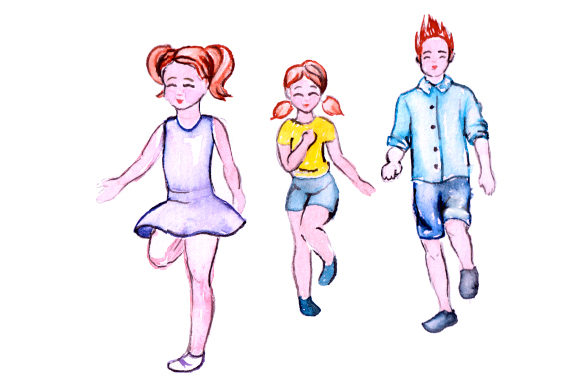
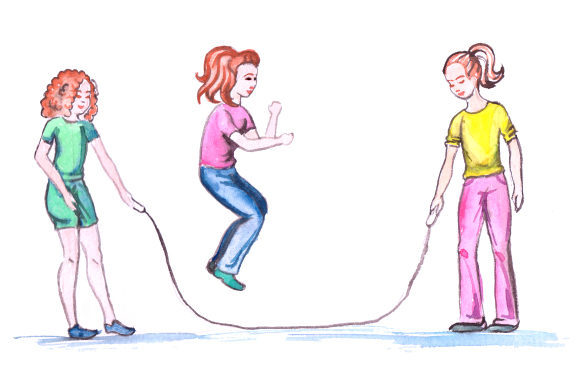
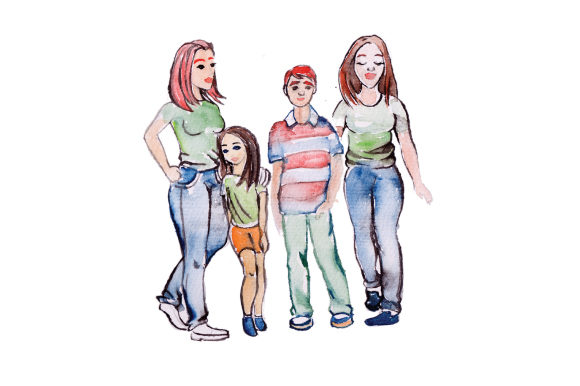
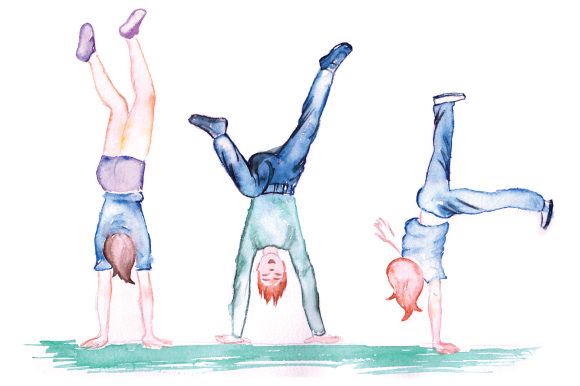
I opened the file folder for Kids Doing Handstands in Watercolor Style expecting something playful, and I was not disappointed. The first thing that hits you is the softness of the composition. This is not a rigid, cartoonish outline of a child mid-handstand. It carries a loose, painterly quality that feels closer to a gentle nursery illustration than a typical vector cut file. The watercolor effect gives the impression of brushstrokes suspended in motion, and that is exactly what makes it interesting for embroidery work.
As a designer who has stitched hundreds of custom pieces for clients, I immediately started thinking about where this design would shine. The mood is light, airy, and full of childhood energy without being loud. The shape of the handstand pose creates a natural vertical flow, which works beautifully on tall narrow surfaces like tote bag panels, the back of a sweatshirt, or a pillow cover. It also feels age-neutral enough to work for a toddler's nursery pillow or a preteen's custom hoodie.
What the Watercolor Style Brings to Stitching
Watercolor designs in embroidery are tricky territory. When they translate well, they create a dreamy, artistic finish that customers genuinely love. When they do not, you end up with muddy blends and lost detail. Kids Doing Handstands in Watercolor Style sits in the sweet spot. The soft edges and translucent overlaps in the source artwork suggest a design that would look best rendered with careful thread color selection and a moderate stitch density. You are not going to get hyperrealistic watercolor washes from thread, but the visual suggestion of it is strong enough to deliver a painterly impression.
I pulled up the preview on a dark background test and a light fabric mockup. On light cotton, the design feels delicate and almost whimsical. On a darker base, the contrast drops, and you lose some of that airy quality. My immediate thought was to use this on natural linen, soft cream sweatshirt fleece, or pale pastel baby items. If you are planning to stitch it on a darker garment, you will need to adjust your thread palette carefully or add a subtle outline to maintain legibility.
Real Project Scenario: A Custom Tote Bag for a Young Gymnast
Let me walk you through a practical project that came to mind while reviewing this design. A client reached out last month asking for a personalized tote bag for her daughter who just started gymnastics. She wanted something playful but not overly cutesy, and she wanted the child's name beneath the artwork. I could immediately picture Kids Doing Handstands in Watercolor Style stitched on a natural canvas tote, with the child's name in a clean sans-serif font placed neatly below the handstand figure.
The vertical orientation of the handstand pose makes it ideal for the front panel of a standard tote. The watercolor effect would soften the overall look, making it feel like a boutique product rather than a mass-produced print. The soft splashes of color around the figure would catch the eye without overwhelming the design. In a small shop setting, this kind of product photographs beautifully, and that matters when you are selling on Etsy or at a craft fair. Buyers respond to texture and artistic quality, and this design delivers both.
Placement and Fabric Considerations Before You Stitch
Not every design works everywhere, and Kids Doing Handstands in Watercolor Style requires some thoughtful placement decisions. The watercolor effect relies on subtle transitions and soft edges. On highly textured fabrics like terry cloth or thick fleece, those delicate details can get lost. I would recommend sticking to smooth, medium-weight fabrics for the cleanest result. Cotton, linen, poplin, and quality sweatshirt fleece with a tight knit are all solid choices.
Stretchy fabrics need extra attention. If you are stitching on a toddler t-shirt or a baby onesie, use a good cutaway stabilizer and consider a light basting stitch to hold everything in place. The last thing you want is the handstand figure warping after the first wash. I have learned this lesson the hard way with similar painterly designs on cheap jersey fabric. Take the extra time to test, and your finished product will look professional instead of puckered.
Small Hoop Limitations and Detail Preservation
I always advise crafters to check hoop size compatibility before committing to a design. The Kids Doing Handstands in Watercolor Style motif has a natural vertical stretch, which means it may need a larger hoop than you expect if you want to stitch it at a size that preserves the finer watercolor details. Shrinking it down too far for a small hoop risks turning those soft brush marks into unrecognizable blobs. If your machine has a 4x4 inch hoop only, you might need to scale it down and accept some detail loss, or use it as a decorative accent rather than a standalone focal point.
For patches, this design is a wonderful candidate. A small embroidered patch on a denim jacket or a backpack would carry the handstand motif beautifully. The watercolor effect gives it an artsy, handcrafted feel that stands out against the rigid structure of a patch border. Just be mindful of the stitch density around the edges so the patch holds its shape without becoming too stiff.
Thread Color Choices That Make or Break the Design
The palette in the source file leans toward soft, blended watercolor tones, likely pastels and gentle washes. When you convert this to thread, you need to think about contrast more than the original artwork suggests. The watercolor look depends on subtle shifts in hue, but thread does not blend the same way paint does. I recommend selecting three to four shades within a close color family and testing them on scrap fabric to see how they interact. A slightly darker mid-tone can create the illusion of a watercolor bloom if placed correctly.
One trick I use often with designs like Kids Doing Handstands in Watercolor Style is to run a quick black-and-white preview on my screen. This strips away the color and shows me whether the tonal values hold up. If the design looks flat in grayscale, it will likely look flat in thread. This particular design passed that test reasonably well, but I would still recommend a test stitch before running it on a final product.
Stitch Types and Density Observations
Without having the exact stitch file in front of me, I can make some educated guesses based on the artwork style. The watercolor areas likely use a combination of fill stitches with varying densities and possibly some running stitch accents to simulate brushstroke texture. Satin stitch borders are probably minimal here, which is a good thing. Too much satin outlining would kill the soft, painterly feel this design is built on.
If you are digitizing this yourself from the provided SVG or PNG files, pay close attention to stitch angle changes. Varying the stitch direction in different sections can mimic the directional flow of watercolor brushstrokes. That is an advanced technique, but it makes a real difference in the finished product. For crafters using a pre-digitized embroidery file, trust the digitizer's choices but always run a test stitch to confirm the density suits your fabric and stabilizer combination.
Commercial Use and Selling Finished Products
For small business owners, the licensing question is always top of mind. The product description states you receive SVG, Transparent PNG, EPS, and DXF formats, which opens up a lot of creative avenues beyond just embroidery. You can use these files for printable mockups, sublimation, screen printing, or digital product previews. But before you sell finished items featuring Kids Doing Handstands in Watercolor Style, confirm the commercial licensing terms with the seller. Some designers allow full commercial use on physical products, while others limit the number of units or require attribution.
I have seen too many Etsy sellers get into trouble by assuming a design is cleared for commercial embroidery when it is actually licensed for personal use only. Do not skip this step. Check the license, save a copy of the terms, and keep your paperwork in order. It protects your business and respects the original artist's work.
Where This Design Performs Best in a Craft Business
Based on real market observation, I can see Kids Doing Handstands in Watercolor Style fitting into several product categories with strong buyer demand. Nursery decor is an obvious fit. An embroidered hoop art piece hung in a child's room would have a charming, handmade quality that parents love. Personalized baby blankets with this design in the corner would also move well at craft fairs and on Etsy during the holiday season.
Apparel is another strong category. A unisex kids' sweatshirt with this design on the front feels like something a boutique children's brand would sell. The watercolor softness differentiates it from the typical bold, graphic embroidery you see on mass-market kids' clothing. That uniqueness is what helps small shops compete. Customers are willing to pay more for a product that feels artistic and intentional, and this design supports that positioning.
Gift items round out the list. Embroidered tea towels for a grandparent, a personalized apron for a mom who loves crafting with her kids, or a custom pillow cover for a child's reading nook all make sense with this motif. The handstand pose is universally joyful, and the watercolor style keeps it sophisticated enough for adult tastes while still appealing to children.
Practical Stitching Tips from My Own Bench
I always test a new design on a scrap of the exact fabric I plan to use for the final project. With Kids Doing Handstands in Watercolor Style, I would run that test and then immediately wash it to see how the stitches settle. Watercolor-inspired designs often rely on lighter fill areas, and those can shift or loosen after washing if the stabilizer is not adequate. A medium-weight cutaway stabilizer is my go-to for most apparel applications, and I would add a water-soluble topper on textured or fluffy fabrics to keep the surface clean.
Hoop placement matters especially with vertical designs. The handstand figure needs to sit straight and centered. If your hoop shifts even slightly during stitching, the lean will be noticeable. I use alignment marks on my fabric and double-check the hoop tension before starting. It takes an extra minute, but it saves wasted materials and frustration.
Thread brand consistency also plays a role. Different brands have slightly different sheen levels and thicknesses. For a watercolor effect, I prefer a matte-finish polyester thread that blends smoothly without too much shine. Glossy rayon can work for certain projects, but it sometimes overpowers the softness that makes this design special.
Customer Reactions and Perceived Value
In my experience, customers react strongly to embroidery that looks like art rather than a standard logo or icon. Kids Doing Handstands in Watercolor Style has that artistic quality. When someone sees it stitched on a tote bag or a sweatshirt, they do not immediately think of a machine doing the work. They see the handcrafted soul of the piece. That perception directly increases the perceived value of your product and allows you to price it higher than a basic text or simple shape design.
For gift buyers, this emotional connection is everything. A grandparent buying a personalized pillow with this design is not just buying fabric and thread. They are buying a keepsake that captures a moment of childhood. The watercolor style amplifies that sentiment because it feels nostalgic and tender. That is powerful positioning for a small shop owner.
Final Thoughts Before You Start Stitching
I have reviewed hundreds of embroidery designs over the years, and Kids Doing Handstands in Watercolor Style is one of those rare files that balances artistic charm with practical usability. It is not overly complex, which makes it accessible for intermediate stitchers, but it has enough visual interest to keep experienced embroiderers engaged. The watercolor effect translates better than most, and the handstand pose offers a fresh take on kids-themed embroidery that does not lean on overused nursery motifs.
Test it on your fabric of choice, check your thread colors against the intended background, confirm your hoop size, and review the commercial license before you sell. If you put in that prep work, this design will reward you with a finished product that looks boutique, feels personal, and connects with customers on a genuine emotional level. That is what good embroidery design is all about.