Platypus in Watercolor Style: Australian Crafts & Design Review
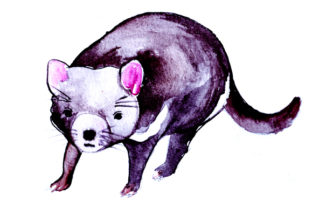
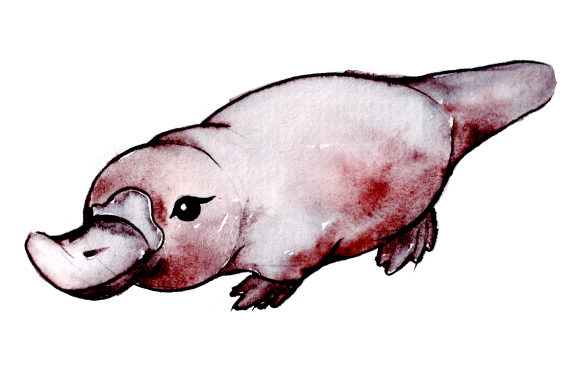
When I first opened the Platypus in Watercolor Style file, I felt that immediate spark of creative possibility—the kind that makes you reach for a mug blank or a tote bag before you've even finished checking the layers. This isn't a stiff, overly clip-art platypus; it's a soft, flowing watercolor illustration that practically whispers coastal charm and Australian bush magic. As a handmade seller who’s built a small business around native wildlife designs, I knew right away this asset would slot into a dozen product lines, from Etsy digital downloads to in-person market stalls.
The mood is gentle, organic, and slightly whimsical. It’s not aggressively cute or childish, but it’s definitely friendly enough for a nursery print, a baby onesie, or a set of gift tags. At the same time, the muted, washy tones and delicate brushwork give it a premium, artisanal feel that works beautifully on home decor, fabric totes, and sublimation tumbler wraps. It says “handmade with heart” without trying too hard. I can already picture a customer picking up a linen cushion with this platypus peeking out, or a set of thank-you cards for an Australian-themed wedding.
What Kind of Crafter Needs This Design?
If you’re a hobby maker looking to elevate your next Cricut project, or a small business owner planning a cohesive Australian-themed collection, this asset is a smart pick. The Platypus in Watercolor Style fills a very specific niche—it’s recognisably Australian without being obviously touristy, and it’s artistic without being too abstract. That means it will attract buyers who love watercolour art, wildlife, nature journaling, and gentle, storybook-inspired design. For my own Etsy shop, I’d use it to create a “Down Under Whimsy” bundle: matching greeting cards, stickers, and fabric patches. It’s the kind of design that a customer might frame as a small nursery print, or surprise a friend with on a custom mug for a birthday.
Not every design suits every audience. This one isn’t for a bold, neon, party-supply vibe, but it’s perfect for feminine, rustic, cozy, minimal, or decorative styles. The watercolour texture gives it a handmade feel that aligns seamlessly with small-batch craftsmanship. I’d categorise it as a premium decorative illustration, ideal for customers who appreciate slow-made, thoughtful products.
Real Crafting Scenarios: Where This Design Shines
I put the SVG design through its paces on a few test projects. First, I cut a simple single-layer vinyl decal for a reusable coffee cup. The shapes were clean, the cut lines well-defined, and the weeding was surprisingly smooth—no tiny disconnected specks that often plague watercolour SVGs. The real magic, though, was in the transparent PNG file. I placed it on a white mug mockup for sublimation, and the soft edges faded perfectly into the ceramic, looking like a hand-painted original. That’s the kind of high-end look that justifies a premium price tag on a handmade product.
For printable design makers, the 300 DPI PNG is a dream. I scaled it to A4 and printed a couple of gift tags on textured cardstock. The colours stayed true to the screen, and the transparent background meant I could layer it over a subtle eucalyptus pattern without any awkward white boxes. It also worked beautifully as a planner sticker—I’d recommend sizing it to about 2 inches for clean cutting, and pairing it with a soft sage green or dusty pink background to make the watercolour sing.
As a t-shirt design, I tested it on a light heather grey tee using a print-on-demand mockup. The watercolour effect softened the overall look, and it felt like a vintage botanical plate. I’d avoid overly dark garments unless you’re using a white underbase, because the delicate washes can lose their subtlety. But on natural, oatmeal, or soft pastel blanks, it’s wonderful. For tote bags, I’d print it large and centered, letting the illustration do the talking.
File Formats and What They Mean for Your Workflow
You receive the Platypus in Watercolor Style as a full set: SVG, transparent PNG, EPS, and DXF. This is exactly what I look for as a multi-disciplinary crafter. The SVG is essential for Cricut and Silhouette projects—I could import it into Design Space, resize without losing quality, and the paths were already welded sensibly. One quick tip: if you’re layering vinyl, check the small details around the bill and feet. Those are the only areas that might get tricky if you’re cutting at very small sizes (below 3 inches). I’d stick to a single-colour vinyl application for tiny decals, or use the PNG for print-then-cut stickers.
The EPS opened smoothly in Adobe Illustrator, and I could tweak the colours just a little to warm up the browns for a more autumnal palette. The DXF is a nice bonus for those who use older software or laser cutting machines. For most crafters, the transparent PNG will be the most versatile asset—ready to drop into a sublimation layout, a greeting card template, or a product mockup without any background removal hassle.
When to Use This Design Carefully
Watercolour illustrations, by their nature, have soft edges and subtle colour variations. That’s the charm, but it also means you need to be mindful of a few things. Very small cutting details, like the fine lines of the fur texture, can become fragile in vinyl. I’d avoid cutting this design smaller than 2.5 inches for adhesive vinyl decals, and if you’re doing a layered heat transfer, consider simplifying the colour palette to avoid misregistration. The watercolour washes also mean there’s low contrast in some areas, so if you’re printing on a dark background, test it first. The subtle greys and browns can get lost without a white base.
For sticker design shops, I’d recommend using the PNG for a print-then-cut approach rather than trying to cut the SVG as a kiss-cut sticker. The organic edges are much more forgiving that way. I also wouldn’t stack this design into a crowded composition with ten other elements—it needs breathing room to let the watercolour technique shine. Give it a clean, simple layout, and it will look like a custom illustration.
Practical Crafting Notes from a Seller’s Perspective
Before you list a product made with this asset, run through this checklist—it’s saved me from so many customer service headaches. Always test the file on your chosen material, even if the SVG looks perfect on screen. I printed a tiny batch of stickers and one mug sample before committing to a full run. Check the transparent PNG at actual size in your mockup; some watercolour textures can look pixelated if you enlarge too much, but this one held up well to 12x12 inches.
Preview the design on both white and natural products—the transparent background means it will adapt, but the perceived colour of the watercolour shifts depending on the substrate. I also always test my sublimation colours because the soft blues and purples can print slightly cooler than they appear on screen. Pair the platypus with a delicate script font or a clean sans serif for a modern, polished look. If you’re going for a greeting card, a handwritten-style font adds a lovely personal touch. I’ve found that Baskerville or Playfair Display as a serif pairing gives an elegant, almost literary feel that suits the watercolour.
And crucially, check the commercial licensing before you use this asset for customer orders or physical products. Many digital design marketplaces offer a standard commercial license, but it’s your responsibility to confirm you’re covered for physical end products, print-on-demand, and digital resale (if you plan to sell the design as part of a printable bundle). The last thing you want is a copyright claim on your best-selling mug.
Building a Handmade Collection Around This Platypus
I’m already planning a small, cohesive collection for my next craft fair. Starting with the Platypus in Watercolor Style as the anchor, I’ll create matching baby onesies, a set of greeting cards, and a 5x7 inch printable wall art piece. I’ll add a few eucalyptus leaves (also watercolour) and a soft neutral background to tie everything together. Then I’ll extend the line with a tote bag and a tumbler wrap, using the same colour palette. This kind of design bundle approach works brilliantly for Etsy, because customers love to buy the nursery art and the coordinating baby gift set in one go.
For print-on-demand shops, this asset is a time-saver. You can upload the PNG to your POD provider, design a handful of products in minutes, and let the art do the heavy lifting. I’d also use it as a thank-you card insert for my Australian-themed orders—it’s those little details that turn a one-time buyer into a repeat customer. Think about a small hang tag with a “made with love” message, printed on kraft paper. The watercolour platypus would look right at home.
Why This Design Works for Australian-Themed Crafts
Australia is a perennial favourite in the handmade market, but the challenge is finding designs that feel fresh. The platypus is less common than koalas or kangaroos, which makes it a standout. This watercolour execution sidesteps the cliché of bright, cartoonish Australiana, instead offering a design asset that feels like a fine art print. For sellers who want to appeal to tourists, expats, or wildlife lovers, this is a goldmine. It’s also perfect for seasonal craft bundles: think “Aussie Christmas” with a platypus in a Santa hat, or an autumn market stall with earthy tones.
I’ve bought and used dozens of graphic design assets for my handmade business, and the ones that earn their keep are those that can cross categories—planner stickers, wall art, apparel, and packaging. This one does that effortlessly. Whether you’re a Cricut hobbyist making a one-off gift or a creative entrepreneur stocking a shop, the Platypus in Watercolor Style is a versatile, high-quality addition to your digital toolbox.
In the end, it’s the kind of design that makes you excited to create. I’ve already cleared a spot in my product lineup for a small run of mugs and a set of printable gift tags. If you’re looking to refresh your Australian-themed handmade collection with something that feels both artistic and accessible, this platypus is worth every penny.