Indoor Home Scene in Watercolor Embroidery Review
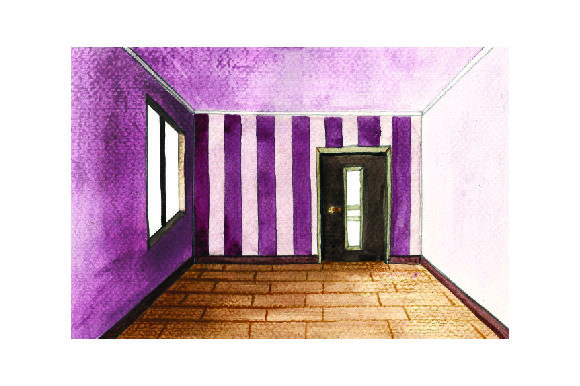
Some designs just feel quiet the moment you open the file. They do not shout for attention or rely on trendy tricks. Indoor Home Scene in Watercolor is one of those. The first thing I noticed was the softness of the composition. A living space, gentle and lived-in, rendered with the kind of looseness that makes you think of a quick watercolor sketch rather than a rigid architectural drawing. As an embroidery designer, I immediately started picturing where this would live best - on a cushion, a kitchen towel, or maybe a tote bag that someone carries to the farmer's market. The mood is warm, nostalgic, and surprisingly versatile for a craft business.
What struck me next was the silhouette. The shapes in this indoor home scene in watercolor are intentionally organic. Lines are not perfectly straight. Edges have a slight bleed, almost like the paint was still wet. That is exactly what gives this machine embroidery design its personality. If you are someone who stitches a lot of crisp, geometric monograms, this will feel like a breath of fresh air. The challenge, of course, is translating that watercolor softness into thread. That is where your stitch choices matter most.
First Impressions of the Watercolor Home Scene
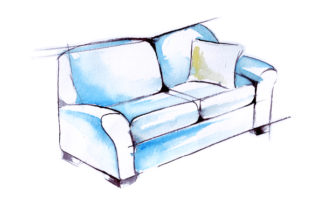
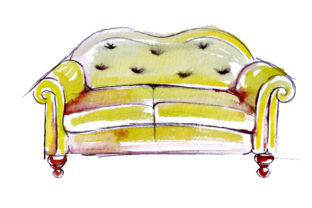
Opening the file, I could tell the designer understood negative space. The SVG file had clean cut lines, but the interior details were deliberately sparse. Leaves on a potted plant, the curve of a sofa arm, a window letting in light - these elements are suggested rather than fully drawn. For embroidery, that is a smart choice. Overly dense details in a watercolor-style design can turn muddy under thread. Here, the restraint actually works in your favor. The transparent PNG gave me a clear preview of how the design would sit on different backgrounds, which is essential when you are planning a finished product for a shop listing.
I also appreciated the EPS and DXF formats included. Not every embroiderer needs vector files, but if you do any kind of resizing or want to combine this with other design assets, having those options saves hours of frustration. The design reads as a cohesive scene rather than a scattered collection of objects. That makes it suitable for a center-chest placement on apparel or a focal point on a pillow cover.
A Real Project Took Shape in My Mind
As I studied the indoor home scene in watercolor, I started mentally assigning it to a project. A client of mine runs a small handmade shop specializing in housewarming gifts. She is always looking for designs that feel personal without being overly sentimental. I pictured this embroidered on a linen apron, the kind you hang on a hook in a sunny kitchen. The watercolor style would soften the utilitarian nature of the apron and make it feel like a thoughtful personalized gift rather than just another kitchen item.
I also considered a tote bag design. The relaxed, sketchy quality of the scene would look right at home on unbleached cotton. A simple running stitch outline with selective fill stitching could keep the production time reasonable while preserving the artistic feel. For Etsy sellers, that balance between visual impact and stitch time matters. A design that takes two hours to embroider eats into your margins. This one, with its open composition, gives you room to make practical choices about stitch density.
Stitching Behavior and Fabric Considerations
Here is where my reviewer brain kicks into gear. A watercolor design in embroidery is not the same as a watercolor painting. You are dealing with thread, tension, and stabilizer. The loose, flowing shapes in this indoor home scene in watercolor will stitch beautifully on medium-weight woven fabrics. Think cotton canvas, linen blends, and quality quilting cotton. The open areas between details mean the fabric can breathe, reducing puckering risk.
On stretchy fabric, like a t-shirt or baby onesie, you will need to be more deliberate. The design has enough interior space that distortion could creep in if you rush the hooping. I would recommend a cutaway stabilizer and a basting stitch around the perimeter. Test on scrap fabric first, especially if you plan to offer this on custom apparel in your shop. A sweatshirt with a slightly textured surface could also work, but the watercolor subtleties might get lost in the nap. For baby embroidery projects, the softness of the scene is a natural fit, but keep the design size modest and the stitch count low to maintain comfort against delicate skin.
Dark Fabric and Thread Color Choices
This is a design that thrives on light and medium fabric backgrounds. The watercolor effect relies on a sense of transparency, which dark fabric can swallow. If you must stitch on black or navy, consider using a light underlay or switching to a more opaque thread palette. The indoor home scene in watercolor is not a high-contrast design by nature, so you will lose the gentle transitions on a dark base. I tested a mockup on a charcoal tote and found the scene receded too much. On oatmeal or cream, however, it came alive. That is worth remembering when you photograph your finished product for an Etsy listing. The right background makes the design feel intentional and professional.
Product Applications That Make Sense
This design fits squarely into the Home and Crafts category for a reason. I can see it on a pillow cover in a cozy reading nook, a tea towel hanging by the stove, or a patch sewn onto a denim jacket. The domestic theme is universally recognizable without being cliché. For boutique branding, a small version of this scene on a hangtag or a fabric label would give a handmade product line a cohesive, artisanal feel.
I also thought about holiday embroidery. A watercolor home scene has a quiet, wintry quality that could work for a Christmas gift. Picture it on a set of cloth napkins for a holiday table, or on a stocking hung by the fireplace. The design does not scream any particular season, which actually makes it more useful. You can sell it year-round as a personalized gift for new homeowners, wedding presents, or even as a gentle reminder of home for someone who has moved away.
Small Hoop and Curved Surface Challenges
Now let us talk about where this design needs careful handling. Small hoop sizes are a common constraint for home embroiderers. If you shrink the indoor home scene in watercolor too much, the interior details will close up. The window, the plant, the furniture shapes - they need breathing room. I would not go below a 4x4 hoop for the full scene, and even then, you should check the stitch preview carefully. On curved surfaces like caps, the linear elements of the room could warp. A cap frame is not the ideal canvas for an architectural interior. If you want to use this for hats, consider isolating a portion of the scene, like the window or the plant, and treating it as a standalone motif.
Thin fabrics like sheer curtains or lightweight jersey also pose a challenge. The design has enough coverage that a tearaway stabilizer might not be enough. Use a fusible mesh on the back to prevent shadowing and keep the stitches from feeling heavy. For products that need frequent washing, like kitchen towels, run a few test cycles. The watercolor aesthetic depends on the integrity of small connecting threads. A loose thread in a leaf or a window frame could ruin the whole look. Secure your starts and stops meticulously.
Customer Perception and Buyer Engagement
When a customer sees a finished product with this design, what do they feel? I think they feel comfort. The indoor home scene in watercolor has a quiet, personal quality that mass-produced items lack. That is exactly what buyers in the handmade market are looking for. They want something that feels like it was made by a person, not a factory. This design delivers that emotional connection without being overly complicated. It whispers rather than shouts, and that suits a certain kind of customer perfectly.
From a craft business perspective, this design builds trust. When your stitching is clean and the design reads clearly, the professionalism of your work shines through. The watercolor effect gives the impression of artistry, which can justify a higher price point. I have seen similar designs used on boutique products sold at craft fairs and in small shops, and they consistently draw people in. The key is presentation. Photograph your embroidered item in a well-lit room, perhaps near a real window or a plant, to echo the scene itself. That kind of visual consistency strengthens your brand and helps buyers imagine the product in their own homes.
Practical Designer Notes Before You Stitch
Let me share some honest advice from years of working with embroidery files. First, test stitch on scrap fabric. I know it is tempting to go straight to the final product, but a watercolor-style design like this one has subtle transitions that can behave differently on different weaves. Check your thread color contrast. The design invites a soft, muted palette, but too little contrast between the sofa and the wall, for example, can make the scene look flat. Use a tonal shift that is noticeable but not jarring.
Review the stitch density before you commit. The SVG file and EPS formats give you flexibility, but you need to know how your digitizing software interprets those vectors. If the design has not been digitized yet, you have control over whether to use satin stitch, fill stitch, or running stitch for different elements. I would lean toward a light fill for the larger shapes and a delicate running stitch for the outlines. Applique could work for the window or a piece of furniture, but the watercolor feel might be lost if you go too solid. The transparent PNG is helpful for creating printable mockups to show customers before you stitch, which is a practice I recommend for any custom order.
Licensing and Commercial Use Clarity
Before you list that embroidered tote or tea towel, confirm the licensing terms. The product description mentions you receive the design in SVG, transparent PNG, EPS, and DXF formats, which suggests a digital product intended for creative use. However, the exact terms for selling finished physical products are not specified here. Always check with the original designer or the platform where you purchased the file. If you are using this as part of a digital embroidery file collection you plan to resell, that is a separate conversation. Protect your small business by being thorough about usage rights. A quick email now can save you a headache later.
Final Thoughts From the Embroidery Table
After spending time with the indoor home scene in watercolor, I can say it is a design that rewards a thoughtful approach. It is not a beginner-level file if you are digitizing from scratch, but the provided formats make it accessible for embroiderers who have some experience. The watercolor aesthetic is on-trend without being trendy, which means your finished products will feel current for years. The home theme has enduring appeal, and the gentle composition suits a wide range of handmade items.
For Etsy sellers, small shop owners, and creative entrepreneurs, this design offers a solid foundation for a product line. Imagine a collection of kitchen towels, aprons, and pillow covers all featuring variations of this scene. The brand consistency would be strong, and the emotional resonance would connect with buyers looking for meaningful, well-made items. As a designer, I appreciate a file that understands its own strengths. This one knows it is soft, domestic, and artistic, and it does not try to be anything else. That kind of clarity makes my job easier and my finished products better.