Onion Chopped Half Watercolor Review for Food Amp Crafts
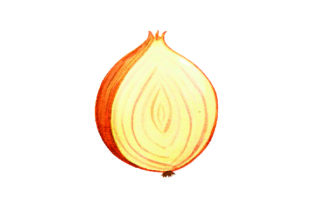
When I first opened the Onion Chopped in Half - Watercolor Style file, I immediately pictured a warm farmhouse kitchen, the kind that sells handmade tea towels and artisanal recipe cards by the dozen at weekend markets. This is not a flat, clinical vegetable graphic. The watercolor technique gives the onion layers a soft, organic translucency, with subtle purple and cream tones bleeding into each other. The exposed rings are rendered with enough detail to feel honest, but the brushwork keeps it loose and artistic. For a handmade business owner building a culinary or garden-themed collection, this asset lands in a sweet spot between rustic charm and elevated kitchen decor. It attracts buyers who love farm-to-table aesthetics, home cooks, food bloggers, and anyone shopping for unique kitchen art that feels personal rather than mass-produced.
A Real Handmade Business Scenario for This Watercolor Onion Design
Let me walk you through exactly how I tested this asset. I run a small Etsy shop and also stock a booth at a local seasonal market. Last month I was preparing a batch of kitchen-themed products for a fall harvest event. I needed a hero graphic that could tie together tea towels, ingredient-inspired art prints, and a set of blank recipe cards. The Onion Chopped in Half - Watercolor Style became the anchor for that entire mini collection. I used the transparent PNG to create a soft background layer on a recipe card, placed the SVG cut file on a canvas tote bag with a Cricut Maker, and printed a high-resolution version on matte paper for a framed 8x10 art print. Across all three products, the design held its character. The watercolor edges stayed crisp, the colors didn't muddy, and the half-cut onion shape remained instantly recognizable. Customers responded to the unexpected beauty of a humble vegetable treated like fine art.
File Formats and What Crafters Actually Need to Know
You receive this design in four formats: SVG, transparent PNG, EPS, and DXF. For most Cricut and Silhouette users, the SVG is the workhorse file. I loaded it into Cricut Design Space and the cut lines were clean, with no stray nodes or broken paths. The transparent PNG is what I used for sublimation tests and printable layouts. At 300 DPI, the resolution held up beautifully on a tumbler wrap and a mug press. The EPS file is a bonus for those who work in Adobe Illustrator or CorelDRAW and want to scale the design without any quality loss. The DXF format is useful for older software or specific cutting machines. One thing I always check is whether the PNG transparency is truly clean around the watercolor edges. With this asset, the soft brush edges feather naturally into any background, which is exactly what you want for a print-on-demand product or a layered card design.
First Impression and the Mood It Creates
The Onion Chopped in Half - Watercolor Style carries a mood that is equal parts rustic, artistic, and warm. It is not cute or playful in a cartoonish way. It leans toward a sophisticated farmhouse palette, with muted purples, soft whites, and gentle green undertones. The watercolor rendering gives it a hand-painted quality that makes a finished product feel closer to an original watercolor illustration than a digital clipart file. For a handmade business, this matters. Customers who buy handmade kitchen decor, custom aprons, or artisanal food packaging are often looking for something that feels authentic and slightly imperfect in the best way. This onion design delivers that emotion. It suggests slow cooking, fresh ingredients, and thoughtful presentation. It pairs well with serif fonts for a classic recipe card, with a light script font for a feminine kitchen print, or with a clean sans serif for modern minimalist branding.
Which Products Work Best with This Design
After testing across multiple blanks and substrates, I can confidently say this design shines on medium to large printable surfaces and on products where the watercolor texture can be appreciated up close. Here are the products where it performed strongest:
- Canvas tote bags with a centered SVG iron-on application
- Kitchen tea towels using sublimation or heat transfer vinyl
- Framed art prints on textured matte paper
- Recipe card sets with the onion as a subtle background element
- Apron designs where the watercolor becomes a focal point
- Tumbler wraps with a full-color sublimation print
- Greeting cards for food lovers, chefs, or housewarming gifts
- Gift tags for homemade food products like jams, sauces, and spice blends
- Printable wall art for kitchen gallery walls
- Scrapbooking accents for food-themed memory albums
For Cricut projects, the SVG cut file is straightforward. I weeded the design easily and the watercolor texture translated well into a single-layer vinyl cut, though I recommend using a solid color like matte black, deep burgundy, or olive green to maintain the silhouette's integrity. For multi-color work, you can layer the PNG on a printed background and use the SVG as a decorative overlay. On sublimation mugs and tumblers, the PNG file produced vibrant, true-to-screen colors with no pixelation at standard product sizes.
Where to Use Caution and Test Before Selling
No design asset is perfect for every project, and the Onion Chopped in Half - Watercolor Style requires some practical judgment. The watercolor brushwork includes delicate feathered edges and thin paint washes. When you scale this design down to a very small size, such as a one-inch sticker or a tiny planner icon, some of those subtle details start to disappear. The onion shape may become less readable, especially on busy backgrounds. I also found that on dark-colored garments, the watercolor lighter tones can lose contrast unless you add a white underbase or adjust the print settings. For layered vinyl projects with multiple colors, the soft edges make registration tricky. This is a design better suited for single-color vinyl cuts, full-color sublimation, or printable applications where the PNG transparency does the heavy lifting. Here is a quick checklist of situations that need extra testing:
- Very small sticker sizes below two inches
- Thin-line cutting on intricate weeding details
- Low-contrast fabric colors like heather gray or pale yellow
- Crowded compositions where the onion competes with other elements
- Layered vinyl requiring precise alignment
- Print-on-demand products with strict DPI requirements
Building a Cohesive Handmade Product Line Around This Asset
One of the smartest ways to use the Onion Chopped in Half - Watercolor Style is as a recurring motif across a seasonal collection. I grouped it with a few other vegetable watercolor designs and created a unified kitchen decor line. The onion became the centerpiece for a set of three framed prints, each featuring a different ingredient treated in the same watercolor style. I also used the PNG file on thank-you cards that I include with every order from my shop. Customers noticed the consistency and several came back to purchase the matching tea towel. Small business branding benefits from this kind of visual repetition. When a customer sees the same watercolor onion on your packaging, your product tags, and your social media mockups, it builds trust and recognition. The asset works well as a design element on product mockups too, helping you visualize a full collection before you commit to large production runs.
Font Pairing and Layout Suggestions for Crafters
Over the years I have learned that the right font pairing can make or break a handmade product. For this watercolor onion, I tested several combinations. A classic serif font like Garamond or Baskerville brings out the traditional kitchen feel and works beautifully on recipe cards. A flowing script font adds a romantic, European market vibe that suits greeting cards and gift tags. A clean handwritten font keeps the product casual and approachable for everyday items like grocery tote bags. If you are designing a modern minimalist kitchen print, pair the onion with a thin sans serif font in all lowercase for a fresh, contemporary look. I also recommend leaving plenty of white space around the watercolor so the brushwork has room to breathe. A cluttered layout will drown out the subtle color transitions that make this asset special.
Commercial Use and Licensing Considerations
Before you list any product made with this asset, confirm that your license covers commercial use for physical handmade products. Many graphic design assets come with a standard license that allows personal use and limited commercial use, but if you plan to sell mugs, shirts, prints, or digital products on Etsy or at a craft fair, you need a full commercial license. Check whether the license allows print-on-demand services, as some creators restrict this. If you are bundling the design into a larger digital product for resale, such as a printable recipe card set or a design bundle, make sure the terms explicitly permit derivative digital products. I always keep a copy of the license in my product records folder. It protects my business and gives me peace of mind when a customer asks about the artwork origin.
Technical Checks Before You Start Crafting
Every time I download a new graphic design asset, I run through a quick technical checklist. For the Onion Chopped in Half - Watercolor Style, here is what I verified:
- SVG file opens cleanly in Cricut Design Space with no broken paths
- Transparent PNG background is fully transparent with no white box artifacts
- Image resolution is at least 300 DPI for print applications
- EPS file scales without distortion in vector editing software
- DXF file is compatible with older cutting machine software
- Colors remain consistent across RGB and CMYK previews
- Watercolor details do not become muddy when resized between 50% and 150%
- Thin brush lines are thick enough to cut as vinyl without tearing
Testing the file on real product mockups before a full production run is essential. I printed a test sheet on my home printer, checked the colors against my sublimation press output, and cut a sample vinyl piece on scrap material. The small investment of time and materials saved me from a ruined batch of expensive blank products. I also recommend checking how the design looks on both white and dark backgrounds. The watercolor translucency means some lighter areas may become nearly invisible on a dark shirt or mug, so plan your product colors accordingly.
Is This Asset Worth Adding to Your Handmade Business Toolkit
For crafters, Etsy sellers, and small handmade business owners working in the kitchen, food, or farmhouse niche, the Onion Chopped in Half - Watercolor Style is a strong addition to your design asset library. It fills a specific need for elegant food graphics that go beyond typical clipart. The watercolor texture elevates simple products into something that feels curated and intentional. The file formats cover all the major crafting workflows, from vinyl cutting to sublimation to printable paper goods. The design is versatile enough to anchor a product line, yet distinctive enough to give your handmade items a recognizable signature. Whether you are preparing for a seasonal market, restocking your Etsy shop, or building a new collection of kitchen-themed products, this asset gives you a professionally illustrated starting point. Just remember to test your cuts, respect the license terms, and let the watercolor do the talking by keeping your layouts clean and your product choices thoughtful. In a handmade business, details like these are what turn a simple onion graphic into a product your customers remember and return to buy again.