Humpback Whale in Watercolor: Crafts & Animals Art
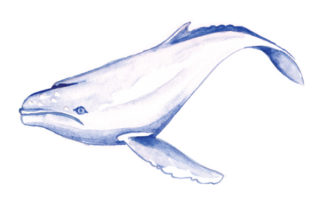
As a blog designer who’s spent years layering visual assets into editorial layouts, I know that a single illustration can shift the entire energy of a page. The Humpback Whale in Watercolor asset arrives with that quiet, artistic authority—a brushstroke-heavy marine mammal that feels equal parts field guide and gallery print. It’s not just clip art; it’s a mood. The first thing I notice is the fluidity of the pigment, the way the whale seems to move even in a static frame. This is the kind of design that invites readers to pause, and on a content site, that paused moment is often the difference between a bounce and a click.
For publishers and digital marketers, the watercolor finish immediately says intentional. It’s handcrafted, organic, and distinctly non-corporate. That softness translates into a sense of authenticity—something readers increasingly crave. Whether you run a coastal lifestyle blog, a marine conservation site, an educational resource hub, or a crafts and creativity platform, this whale slides into your visual identity without shouting. Its gentle palette and imperfect edges create a calm editorial mood that supports long-form content, personal essays, and high-empathy topics.
First Look: A Watercolor That Speaks of Ocean Calm
The Humpback Whale in Watercolor is more than a pretty picture. The first time I opened the transparent PNG and layered it onto a mock blog header, I noticed how naturally it commanded attention without competing with the headline. That’s a critical balance in editorial design. The asset’s airy brushstrokes and muted blue-grey tones evoke a sense of wide-open ocean, making it perfect for brands that want to communicate depth, freedom, and a touch of artistry. It’s not overly feminine or masculine—it’s versatile, which means you can use it across a wide range of content niches without alienating segments of your audience.
I tested the file on a dark navy background, a warm cream tone, and a soft sage green. Each time, the transparent PNG let the whale float naturally, as if it had been painted directly onto the canvas of the page. That kind of seamless integration is exactly what blog graphics should deliver. It’s a graphic design asset that doesn’t feel like a sticker slapped on top of a layout; it feels like part of the story.
Where This Humpback Whale Fits in Your Editorial Calendar
In real publishing workflows, time is tight. You need design assets that can be repurposed quickly. This whale can be dropped into a dozen different places without losing its charm. Picture it as a website header for a monthly roundup of ocean-themed crafts, or as a Pinterest pin previewing a printable activity for kids. The Animals category is obvious, but the tie to Crafts is equally strong—the included DXF file means you can even use it with cutting machines, turning it into a physical stencil or a guide for a DIY project. That multi-format flexibility is a bonus for bloggers who create digital products and printable designs.
I particularly like the asset for seasonal content. Around World Whale Day, Earth Day, or summer vacation months, it can anchor a themed editorial series. You could use it as a hero image for an article about whale migration, a newsletter header for a weekly roundup, or a category thumbnail for a marine life section. Because it’s illustration-based rather than a photograph, it sidesteps the generic feel of stock imagery and brings a custom, hand-illustrated quality to your content marketing.
From SVG to Thumbnail: Multiformat Flexibility for Publishers
One of the most practical aspects of this download is the file bundle: SVG, transparent PNG, EPS, and DXF. This isn’t a one-trick pony. The SVG is infinitely scalable, which means I can resize the whale for a billboard-sized banner or a tiny mobile icon without losing a single brushstroke. That’s important for web design, where responsive layouts demand crisp visuals at every screen width. The EPS file is a lifesaver for print projects—think digital guides, lead magnets, or even professionally printed media kits. And the DXF opens up a world of craft possibilities, linking the asset directly to the Crafts category.
For quick editorial work, the transparent PNG is my go-to. I can drag it into a Canva template, place it over a soft gradient, and add a handwritten headline—instantly, I have a scroll-stopping social media graphic. The watercolor texture plays well with both serif and sans-serif fonts, and I’ve found it particularly striking next to a delicate script font for a romantic, windswept look. If you’re designing a Canva template to sell, the PNG and SVG give you the flexibility to create a polished product that feels premium.
Designing Blog Graphics That Convert: The Visual Hierarchy Test
When I evaluate a graphic design asset for a monetized site, I always run it through the visual hierarchy test. Does it help the reader’s eye move naturally from the image to the headline to the call-to-action? The Humpback Whale in Watercolor passes with ease. Because the whale is oriented with a gentle curve, I can position it so that the tail or the sweeping pectoral fin subtly points toward the article title or a subscribe button. This directional cue is a subtle but powerful device in affiliate marketing and content marketing—it gently guides the reader without being obvious.
I also tested the asset as a thumbnail for a blog post grid. Even at 200×200 pixels, the distinctive silhouette of the humpback is recognizable. The watercolor wash maintains enough contrast to stand out against white backgrounds, but I recommend adding a faint drop shadow or a very thin border if your site uses a lot of white space. That small tweak can improve click-through rates on archive pages and category indexes.
Building a Consistent Visual Identity with One Animal Illustration
For small business branding and personal blogs, consistency is what builds reader trust. If you scatter mismatched clip art across your site, you risk looking amateurish. The Humpback Whale in Watercolor provides a cohesive anchor. Use it as a recurring motif—on your blog’s sidebar, inside downloadable recipe cards, as a watermark on your digital product covers, or as the signature element in your email signature. Over time, readers will associate that soft whale silhouette with your brand, strengthening brand identity.
I’ve seen this work particularly well for bloggers in the Animal niche who also want to offer printable designs for their audience. A single watercolor whale can tie together a whole suite of lead magnets: a whale-watching checklist, a kids’ coloring page, a marine life fact sheet. The artistic style elevates these freebies, making them feel like something worth paying for—even if they’re just a content upgrade. That perceived value can drastically increase email sign-up rates.
Avoiding the Tiny-Thumbnail Trap: Placement Warnings
As much as I love this asset, it’s not a universal solution. The delicate watercolor washes can lose definition at very small sizes—think 50-pixel icons or app buttons. I’d avoid using it where the image must be extremely tiny and still convey intricate detail. For mobile thumbnails, always test the graphic at 150×150 pixels to ensure the whale’s silhouette remains clear. If you’re overlaying text directly on the image, choose a bold, high-contrast typeface, because the soft, variegated background can swallow thin strokes.
Additionally, this watercolor style leans toward the artistic and the organic. It won’t suit a heavily corporate website, a hard-news platform, or a brand that relies on stark, minimalist photography. Use it where emotion and personality are assets—lifestyle blogs, creative portfolios, educational sites for children, and Crafts-focused platforms. The commercial design license may have restrictions on certain uses, so always double-check before placing it on a product you plan to sell as a standalone item. I’ve learned to confirm commercial license terms with the original marketplace before embedding any asset in a paid product or a website with display ads.
A Publisher’s Checklist Before You Go Live
Over the years, I’ve developed a short mental checklist for every digital download I use. Run through these steps with the Humpback Whale in Watercolor and you’ll avoid most common pitfalls:
- Preview on desktop and mobile. Load a test blog post and check how the image scales. The SVG should stay crisp, but the PNG may need compression.
- Test with multiple headline fonts. I tried it with a modern sans-serif (Inter), a warm serif (Playfair Display), a flowing script (Great Vibes), and a playful handwritten font. The whale paired beautifully with all, but the soft script option created a particularly dreamy, coastal vibe.
- Check contrast under different backgrounds. The watercolor’s light areas can blend into white or very pale backgrounds. A subtle vignette or a slightly tinted background can solve that.
- Compress PNG files for web. The original PNG might be large. Use TinyPNG or a similar tool to reduce file size without visible quality loss. This keeps your page speed fast—a critical web design factor.
- Verify the license. Look for phrases like “commercial use” and “allowed for digital products.” If you’re using it on an advertisement-supported blog or in an affiliate-linked post, you need that permission. The creative marketplace where you bought it should have clear terms.
- Preview in black and white. A quick grayscale test reveals whether the image still communicates its subject. The whale’s silhouette holds up well, so it’s accessible even for readers with visual impairments.
Niche Content Ideas: Crafts, Animals, and Beyond
The Humpback Whale in Watercolor is an easy fit for Animals content, but the Crafts angle is equally compelling. I could see a blogger using the DXF file to create a whale-shaped stencil for a Cricut project, then writing a tutorial blog post with step-by-step photos. The same post could carry affiliate links to cutting machines, drawing a clear line from content to revenue. The SVG and PNG could be bundled into a digital download product—a set of ocean-themed planner stickers or a printable wall art collection. That opens up passive income possibilities for creative entrepreneurs.
For an online educator teaching marine biology, this asset could be the cornerstone of a digital guide. A worksheet with a watercolor whale at the top, a few facts, and a coloring prompt feels instantly more engaging than a plain text handout. The artistic quality signals that the material was crafted with care, which can increase a student’s or parent’s trust in the resource. In the world of affiliate marketing, trust is the currency that converts browsers into buyers.
Commercial License and Brand Integrity: The Quiet Foundation
I never publish a graphic design asset without a thorough license check. The fact that this whale comes in a bundle with EPS and SVG suggests it’s intended for a range of uses, but the exact permissions matter. If you’re planning to use it on a monetized blog, a Canva template for sale, or a lead magnet inside a paid course, you need a commercial design license that explicitly covers those scenarios. I’ve seen too many site owners get into trouble because they assumed a free or cheap asset was safe for commercial use. Always check the creative marketplace listing details.
From a brand integrity standpoint, using a single, well-chosen illustration like the Humpback Whale in Watercolor can do more for your visual identity than a dozen mediocre stock photos. It’s a quiet commitment to quality. Your readers might not consciously notice the brushstroke texture, but they will feel the difference. In a digital landscape crowded with generic visuals, that feeling is your competitive edge.
Ultimately, this asset is a smart investment for any publisher who values editorial design that feels human, handmade, and heart-forward. It’s a watercolor whale that carries the weight of the ocean and the lightness of a brushstroke—and on a well-designed page, that’s a combination that truly resonates.