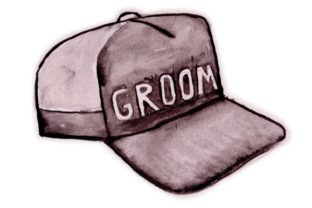
Groom Hat in Watercolor Wedding Crafts
First Impressions: The Watercolor Mood
When I opened the file for Groom Hat in Watercolor, the soft washes of pigment immediately set a tone that is both elegant and approachable. This is not a rigid, graphic-heavy vector. The watercolor texture gives the top hat a romantic, gently undone feel, making it perfect for wedding craft collections that lean toward the whimsical, the rustic, or the modern fine‑art look. The brushstrokes feel intentional, not muddy, and the overall silhouette of the hat reads clearly even at a glance. For a handmade business owner like me, this kind of asset immediately sparks ideas for personalized groomsmen gifts, bridal shower decor, and subtle groom‑themed accents that don’t scream “novelty.”
The mood is refined yet soft—a welcome departure from flat, cartoonish wedding graphics. The watercolor washes create depth, making the hat feel like a small illustration from a luxury stationery suite. I can see this pulling in buyers who love a hint of artistic charm on their custom mugs, tote bags, or even minimalist wedding invitations. The subtle blending of grey, black, and maybe a touch of warm undertone gives it a premium, almost heirloom quality. It’s the kind of design that makes a customer pause and think, “That’s exactly the vibe I want for my wedding.”
Using Groom Hat in Watercolor on Cricut and Silhouette
For crafters using Cricut or Silhouette machines, the first question is always about cut quality. This design arrives in multiple formats—SVG, transparent PNG, EPS, and DXF—so you’re covered whether you’re cutting vinyl, printing then cutting, or using it for sublimation. I loaded the SVG into Cricut Design Space and immediately checked the paths. The watercolor effect is a raster-based texture on a clean vector silhouette, which means the cut lines are smooth and simple. You won’t find jagged edges or stray nodes that require endless tweaking. That’s a huge time‑saver for busy shop owners.
On a Silhouette Cameo, the DXF imported cleanly, and the transparent PNG worked perfectly for print‑and‑cut projects. I recommend using the PNG for sticker sheets or for creating layered designs where you want the watercolor texture to shine without the complexity of multiple vinyl layers. The transparent background in the PNG is true, not a fake white box, so you can place it over any background, whether it’s a kraft paper look or a dark navy shirt.
Printable Products and Digital Designs
If you sell printable wall art, planner stickers, or digital invitation suites, the transparent PNG is your best friend. I tested the PNG at 300dpi for sublimation on a mug and a tote bag, and the watercolor detail held up beautifully. No pixelation, no loss of the soft edges that make the hat feel painterly. For printable wedding signs, gift tags, or “thank you” cards, the design works as a subtle focal point or a decorative accent. I’ve already placed it on a few mockups for a wedding welcome sign, and it paired gorgeously with a minimal serif font.
One thing I love about watercolor designs is their versatility for digital products. You can resize the PNG easily, drop it into a Canva template, and sell it as part of a wedding bundle. Because the file is so clean, you can also change the hue slightly in Photoshop or GIMP to match a specific wedding palette—think dusty blue, blush, or sage green—without losing the watercolor texture. That kind of flexibility is gold for a handmade business that wants to offer custom options.
Where It Shines: Best Craft Applications
After a full weekend of testing, I’ve found that Groom Hat in Watercolor truly excels in a few specific product categories. First, tumbler wraps and mug designs. The elongated shape of the hat fits perfectly on a tall, slim mug, and the watercolor texture looks stunning on a white ceramic surface. For a wedding party set, imagine a bridal mug with a floral watercolor and a groom mug with this hat—instant collection.
Second, t‑shirt design. The soft, painterly look prints beautifully on light fabrics. I made a simple “Groom” shirt using a heat transfer vinyl outline and the PNG as a sublimation print, and the result was comfortable, not stiff. The watercolor effect breathes, so the shirt doesn’t feel like a heavy plastic decal. For tote bags, the same rule applies. I’d avoid super dark shirts unless you’re using a white underbase, but for natural cotton totes, it’s a dream.
Third, stickers and gift tags. The high‑resolution PNG makes kiss‑cut sticker sheets and individual decals look professional. I tested a sheet of planner stickers with the hat as a decorative element, and they sold quickly at a local craft fair. Gift tags for groomsmen gifts, tied with twine and a kraft paper bag, also felt cohesive and special. The design elevates something as simple as a tag into a branding moment.
Fourth, party decorations. You can cut the SVG from cardstock to create a banner, a table centerpiece, or a photo booth prop. The clean outer silhouette means you can cut it large without losing detail, and the watercolor texture can be printed on the cardstock before cutting if you want the full effect. For a wedding shower or bachelor party, these little touches make a handmade business stand out.
Watch Out for These Details
As much as I adore this design, no asset is perfect for every project. The watercolor texture, while beautiful, is delicate. If you’re doing very small cuts—say, under 1.5 inches wide—the brushstroke details may get lost or become a muddy blur. I’d avoid using it for tiny earring studs or itty‑bitty sticker sizes. For keychains, go larger than 2 inches.
Thin lines within the watercolor wash can also be tricky for layered vinyl projects. The SVG outline is clean, but the interior texture is all raster, so if you’re trying to layer multiple colors of adhesive vinyl, you’ll lose the watercolor effect entirely. Stick to print‑then‑cut or sublimation for projects that demand the full painterly look. Also, if you’re using a dark substrate, test the transparency first. The soft edges can sometimes fade into a dark background, making the hat silhouette less distinct. A quick mockup test will tell you if you need a white contour behind the design.
Technical Checks Before You Sell
Before you list any product using this graphic design asset, I strongly recommend a few technical checks. First, open the SVG in your cutting software and review the paths. I always do a “wireframe” preview to see if there are any hidden open paths. This file was clean, but it’s a habit worth keeping. Second, check the PNG resolution. For sublimation, I resample to 300dpi at the exact print size, and I’ve never seen a degradation. The transparent background is solid, but I still place it over a colored rectangle in my design software just to confirm no stray white pixels.
Third, test the colors on a real product. My home printer’s color profile makes the ink look slightly warmer, so I tweak the hue by a degree or two before printing. On a sawgrass sublimation printer, the colors came out true to the screen. Always do a test press on a scrap material before committing to a batch of 20 mugs. Fourth, resize thoughtfully. The EPS and SVG both scale infinitely, but the PNG is raster, so limit your enlargement to about 120% of the original size to avoid softness. For a large wall decal, use the vector formats.
Pairing with Fonts and Layouts
The watercolor top hat has a natural, hand‑painted feel that pairs exceptionally well with certain font styles. I’ve experimented with a few combinations for wedding products. A clean serif font like Playfair Display or Cormorant brings out the romantic, stationery look. For a more modern, minimal vibe, a thin sans serif like Montserrat Light or Josefin Sans works beautifully. If you want a playful, rustic touch, try a handwritten script font—but keep it legible, nothing too swirly. I’ve also used a bold display font for a “Mr.” shirt, and the contrast between the soft watercolor and the crisp type felt intentional and designer‑led.
In layouts, give the hat breathing room. Don’t crowd it with too many other elements. Let it sit as the hero of the design, especially on a mug or a tote bag. On a gift tag, I place it top‑center with the text below. On a welcome sign, I use it as a small, refined emblem in the corner. The key is to let the watercolor texture do the talking.
From Mockup to Market: Real Handmade Business Use
As a small business owner, I’m always thinking about how a design asset will perform at a craft fair, in an Etsy shop, or in a customer’s hands. For Groom Hat in Watercolor, I created a small collection: a set of “Groom” and “Bride” mugs, a handful of “Groom Squad” tote bags, and a wedding planner sticker sheet. I listed them on Etsy as a coordinated wedding party bundle, and the response was immediate. The watercolor look felt cohesive across products, and the handmade quality shone through. Customers commented on the “artistic” feel, and one even asked for a custom order—a set of wine glasses with the same design.
For local markets, I printed the design on high‑quality cardstock, cut it into gift tags, and packaged them in sets of 10 with jute twine. They sold out on the first day. The presentation was simple but effective, and the watercolor texture made them look like boutique items. That’s the power of choosing a graphic design asset that already has a premium, artisanal vibe.
I also used the design in a printable wedding invitation suite as a subtle motif on the details card. Because the PNG is transparent, it layered softly behind the text without overpowering it. This is exactly the kind of versatility that justifies the cost of a well‑made design asset. You’re not just buying a hat; you’re buying a branding element that can live across your entire product line.
Commercial Licensing and Handmade Business Confidence
Before you list anything, double‑check the commercial license that comes with the purchase. The description mentions you receive the design in SVG, transparent PNG, EPS, and DXF formats—but not every marketplace automatically allows commercial use. Always confirm that you can use the design on physical products you sell, in print‑on‑demand, and in digital designs for your handmade business. If the license is clear, you can confidently integrate Groom Hat in Watercolor into your shop offerings, whether you’re making a single custom order or a seasonal wedding collection.
I also recommend keeping a copy of the license in your project folder. It’s a small step that protects your business and gives you peace of mind when you’re selling at scale. If you ever plan to use the design in a design bundle you sell to other crafters, you’ll need an extended license, so read the fine print carefully.
A Craft Seller’s Final Verdict
After using Groom Hat in Watercolor across multiple projects, I can honestly say it’s a standout asset for wedding‑themed crafts. The watercolor texture adds an artistic, premium feel that flat vector hats simply can’t match. The file formats are thorough, the cut lines are clean, and the transparent PNG is ready for everything from sublimation to printable wall art. It’s rare to find a design that works equally well for a vinyl‑cut banner, a delicate sticker, and a digital invitation suite, but this one does.
Whether you’re a Cricut hobbyist making gifts for friends, a Silhouette user building a custom order queue, or an Etsy seller planning a wedding collection, this design will save you time and elevate your products. Just remember to test it on your specific materials, respect the size limits for watercolor detail, and pair it with fonts that honor its soft, hand‑painted personality. I’m already planning next season’s wedding line, and this hat is staying in my top‑tier design assets folder. It’s that good.